Sales & pre-construction
Sell land lots with a house design buyers can see and walk through
In short: A lot sells better when the buyer can see a possible home built on that exact piece of land, with its orientation and surroundings. Showing a house design turns an empty plot into a concrete decision.
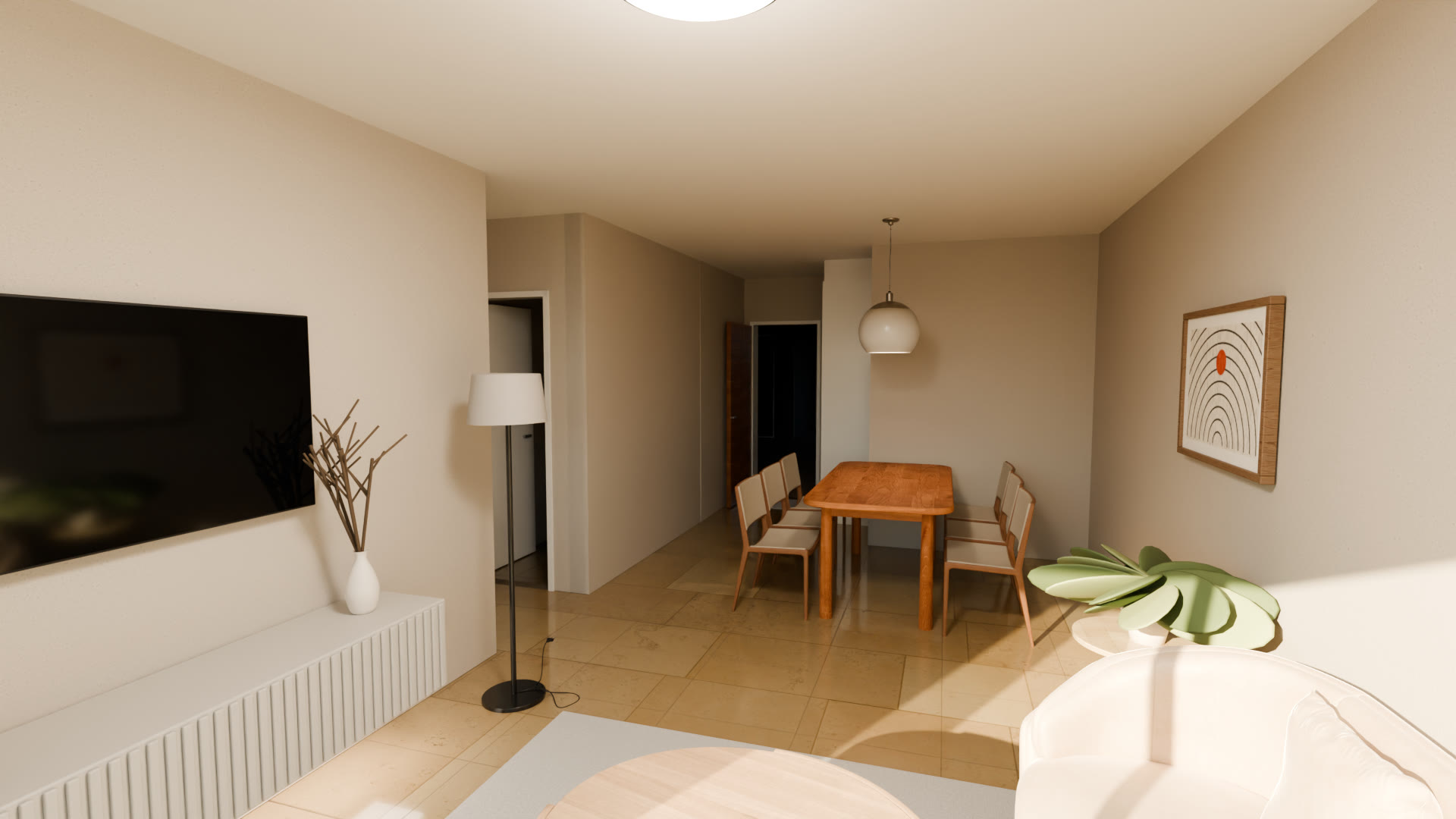
Selling a land lot gets easier when the buyer can see a home built on it. An empty plot asks people to imagine everything: where the house sits, where the sun comes in, how big the backyard will feel. A house design shown on that lot, with its real orientation and surroundings, does that work for them and turns "maybe someday" into a decision they can make now.
Why is an empty lot hard to sell?
Walk a buyer to an empty lot and most of what they see is grass, a few stakes and the neighbors' fences. People who have built before can picture a home there. Most buyers can't.
That creates a few predictable problems:
- The lot feels smaller or larger than it is. Without a house for scale, buyers misjudge the space.
- Buyers compare on price per square foot only. If every lot looks the same, the cheapest one wins.
- The decision gets postponed. "We'll come back when we know what we want to build" often means they don't come back.
- Corner lots, odd shapes and sloped lots sit unsold, because nobody can see how a house would work on them.
The lot isn't the problem. The lack of a picture is.
What a "lot with a house design" means
It's a lot offered together with a suggested home: a design that fits the plot, respects setbacks and orientation, and shows what the buyer could build there. In some markets this is sold as a house-and-land package; in others the buyer just gets the design as a reference and builds what they want.
Either way, the design isn't a commitment for the buyer. It's a way to show the potential of the land. A buyer who sees a three-bedroom home with a garden facing the afternoon sun on lot 14 understands that lot in a way a survey drawing never explains.
What should you show on each lot?
Not every lot needs its own custom home. What helps is answering the questions buyers actually ask:
- How the house sits on the lot. Front yard, backyard, parking, distance to the neighbors.
- Orientation. Where the morning light comes in and where the afternoon sun hits. A walkthrough with morning, afternoon and night light shows this better than a compass arrow.
- The inside. Rooms, how they connect, how big the living area feels furnished.
- The surroundings. Streets, green spaces, what's nearby. An aerial rendering answers the location question at a glance.
A practical approach is to have two or three house designs that work on most lot types (narrow, wide, corner) and place the right one on each lot.
Gated communities, open subdivisions and small towns
The buyer changes with the type of project, and so does what you show.
In a gated or master-planned neighborhood, buyers often care about the shared amenities, security and how the street will look once homes are built. Showing a few homes in context, not just one, helps them picture the finished neighborhood.
In an open subdivision, the buyer is usually more price-focused and more practical. They want to know what they can build with their budget. A modest, well-designed home on the lot answers that.
In a small town or rural area, the buyer may be moving from a city, or buying a second home. They want to see the space, the light and the view. That buyer often lives far away, so being able to walk through the home from another city matters.
There's more on this kind of project in 3D walkthroughs for gated communities and land subdivisions.
How the sales team uses it
With a design for each lot, the sales conversation changes. Instead of reading measurements from a plan, the agent sends a link and says: "This is what a home on lot 14 could look like. Open it and walk through it."
That helps in several ways:
- The buyer shares the link with their partner or family, so the decision moves forward even when the agent isn't there.
- Hard-to-sell lots get a specific argument: a corner lot with a home designed to make the most of it.
- Buyers standing on the lot can open the walkthrough on their phone and see the house right there.
If you also sell the construction, the design becomes the first step of a second sale. The buyer who fell for that house is already halfway to hiring you to build it.
Does it raise the value of the lot?
I can't promise a number, and nobody honestly can. What a house design does is change what the buyer compares. When every lot is grass, buyers compare price. When each lot shows a home that fits, buyers compare homes, and a good home is easier to justify than a slightly cheaper patch of land. That's the reasoning behind defending your price per square foot with better visuals.
What you need to get started
You send me the subdivision plan, the lot dimensions and any building rules for the development, plus the house designs if you already have them. If you don't, the designs can come from an architect you work with. We review over video call, you approve, and you get a link per house model that you can share by WhatsApp, email or social media, or embed on your website.
I work remotely from Buenos Aires, Argentina (UTC−3). If you have lots that would sell better with a home on them, message me on WhatsApp at +54 9 11 6193-3176 or email facundocampo100@gmail.com. I answer in English and Spanish.
Frequently asked questions
Do I need a different house design for each lot?
Not necessarily. Two or three designs that fit the main lot types are usually enough. What changes from lot to lot is how the house sits and where the light comes from.
Does it help if the buyer ends up building a different house?
Yes. The design shows the lot's potential and helps the buyer decide on the land. What they build later is their choice, but they bought the lot because they could picture a home there.
Can the buyer see the house on their phone while standing on the lot?
Yes. The walkthrough opens in the browser on any phone with nothing to install, so the buyer can look at the home while standing on the actual plot.
Does this work for subdivisions with many lots?
Yes. Since a few house designs cover most lots, the material scales well. You can see how a home walkthrough feels in the Americana 35.64 house demo, an unofficial demo based on a model by Viviendas Roca.