Sales & pre-construction
Cost-based development trusts: explaining them to investors with visuals
In short: In a cost-based development trust, investors fund construction in installments and receive a unit at the end. The financial structure is explained in words and in the contract; trust is built by showing the unit, the finished building and the progress of the works.
A cost-based development trust is easier to explain to an investor when they can see three things: the unit they'll receive, the finished building, and how construction is moving forward with the money they put in. The financial structure gets explained in words and in the contract. Confidence gets built by showing. If the investor can't picture the result or follow the progress, every installment is paid with doubts.
What is a cost-based development trust, in two lines?
In Argentina it's called a fideicomiso al costo. A group of investors puts money into a trust that buys the land and builds the project. Instead of buying a finished unit at a fixed price, each investor pays their share of the actual construction cost in installments, and at the end receives a specific unit.
The details vary a lot from one trust to another, and the legal and tax side should always be reviewed with a local professional. Other countries have their own versions of investor-funded or cooperative builds, with different names and rules. What they share is the communication problem described below.
Why is it hard to communicate?
A buyer of a finished apartment knows what they're getting and what they'll pay. An investor in a cost-based trust is asked to commit to two things that aren't fully defined yet:
- A unit that doesn't exist, often before the excavation has started.
- A final cost that depends on how construction goes, paid over months or years.
That's a lot of uncertainty. The developer can explain the structure clearly, but explanations don't remove the doubt. What reduces it is giving the investor as much certainty as possible about the things that can be certain: what they'll receive, that the project shown is the one being built, and that the work is moving.
First certainty: which unit they'll receive
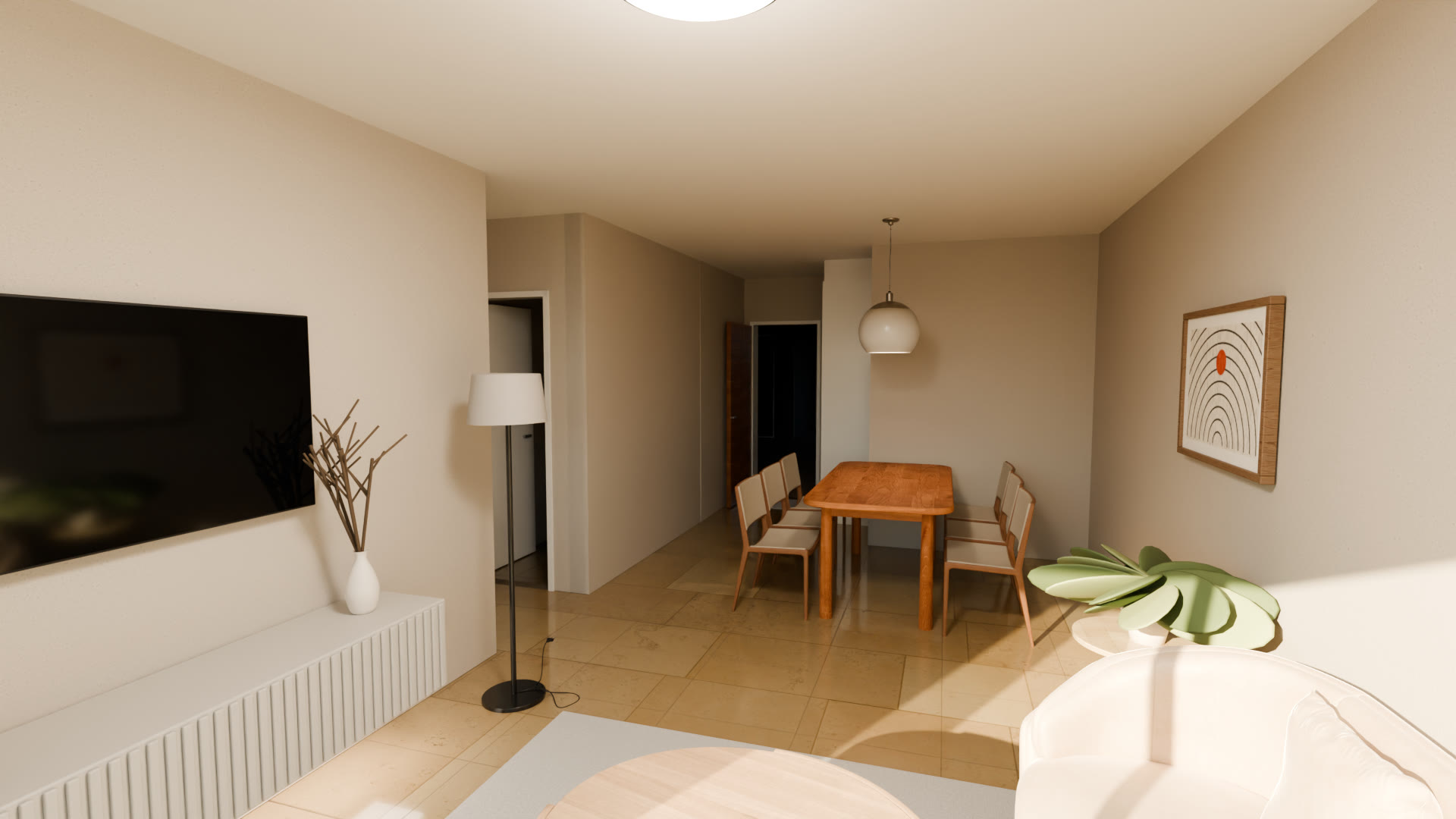
The investor should be able to see their unit exactly: the layout, the size of each room, the orientation, the view, the finishes that are part of the project. Not a generic image of the building, but their unit type, on their floor.
A walkthrough per unit type does that. The investor walks through the living room, checks the bedrooms, steps onto the balcony. An availability view of the building shows which unit is theirs and which are still open to new investors. See walkthroughs by unit type and the interactive unit selector.
You can see what that looks like in the Maconda XXIV demo, an unofficial working demo based on a 12-story building in Quilmes, near Buenos Aires, marketed by Otamendi Propiedades.
Second certainty: what's shown matches what's built
In a trust, the investor is effectively a co-owner of the project. They have every reason to care that the building they were shown is the one being built. So the visual material has to be honest.
That means the finishes in the renderings match the specification. Furniture is clearly decoration. The building sits in its real street, with its real neighbors. If the project changes during construction, which happens, the material is updated and investors see the new version. That consistency avoids disputes later and is itself a sign of a serious developer.
Third certainty: how construction is progressing
This is where cost-based trusts differ most from a regular off-plan sale. The investor keeps paying installments for months or years, and they want to see what their money is doing.
Regular progress updates help a lot: photos of the site, a short report and, alongside, the renderings of what each stage leads to. Showing the concrete structure next to a rendering of the finished facade, or the rough interior next to a walkthrough of the finished unit, helps investors read the progress. There's more in construction progress and renderings.
An investor who sees steady progress pays the next installment with confidence. An investor who hears nothing for three months starts asking questions.
Bringing in new investors
Many trusts don't fill all their units at the start, so the developer keeps looking for investors as the project advances. Here, the visual material does double work:
- It shows the finished project to someone who wasn't there at the start.
- It shows progress, which is proof the project is real and moving.
- It shows which units are still open, through the availability view.
A clear presentation for investors, with renderings, the walkthrough link and the progress so far, is often the most useful piece. See investor presentations.
The investor who shares the decision
Investors in a trust often decide with others: a partner, a parent putting up part of the money, an accountant who reviews the numbers. A link that opens on any phone lets each of them see the same unit and the same building, without needing a meeting with everyone. More on this in selling to investors who don't live nearby.
What to avoid when communicating a trust
- Promising a final cost in the visual material. The structure is explained in the contract, with a professional.
- Showing finishes that aren't in the specification, or furniture that looks included.
- Going quiet during construction. Silence is what makes investors nervous.
- Using only a master rendering of the facade. It's a good cover, but it doesn't tell the investor what they're getting.
If you're running a trust and want material that helps investors understand it, message me on WhatsApp at +54 9 11 6193-3176 or email facundocampo100@gmail.com. I work remotely from Buenos Aires, Argentina, in English and Spanish.
Frequently asked questions
What material does a cost-based trust need to attract investors?
At a minimum, a facade rendering, a walkthrough per unit type and an availability view. Once construction starts, regular progress updates alongside the renderings.
Can renderings explain the trust structure?
No, and they shouldn't try. The structure is explained in words, in the contract and with a professional. Renderings and walkthroughs build trust by showing the unit and the building clearly.
Does it help to show construction progress next to the renderings?
Yes. It lets investors read the progress: they see the current state next to what that stage leads to, which makes each installment easier to understand.
Can investors see their unit on their phone?
Yes. The walkthrough opens from a link on any phone or computer, with nothing to install, and can be shared with whoever is deciding with them.