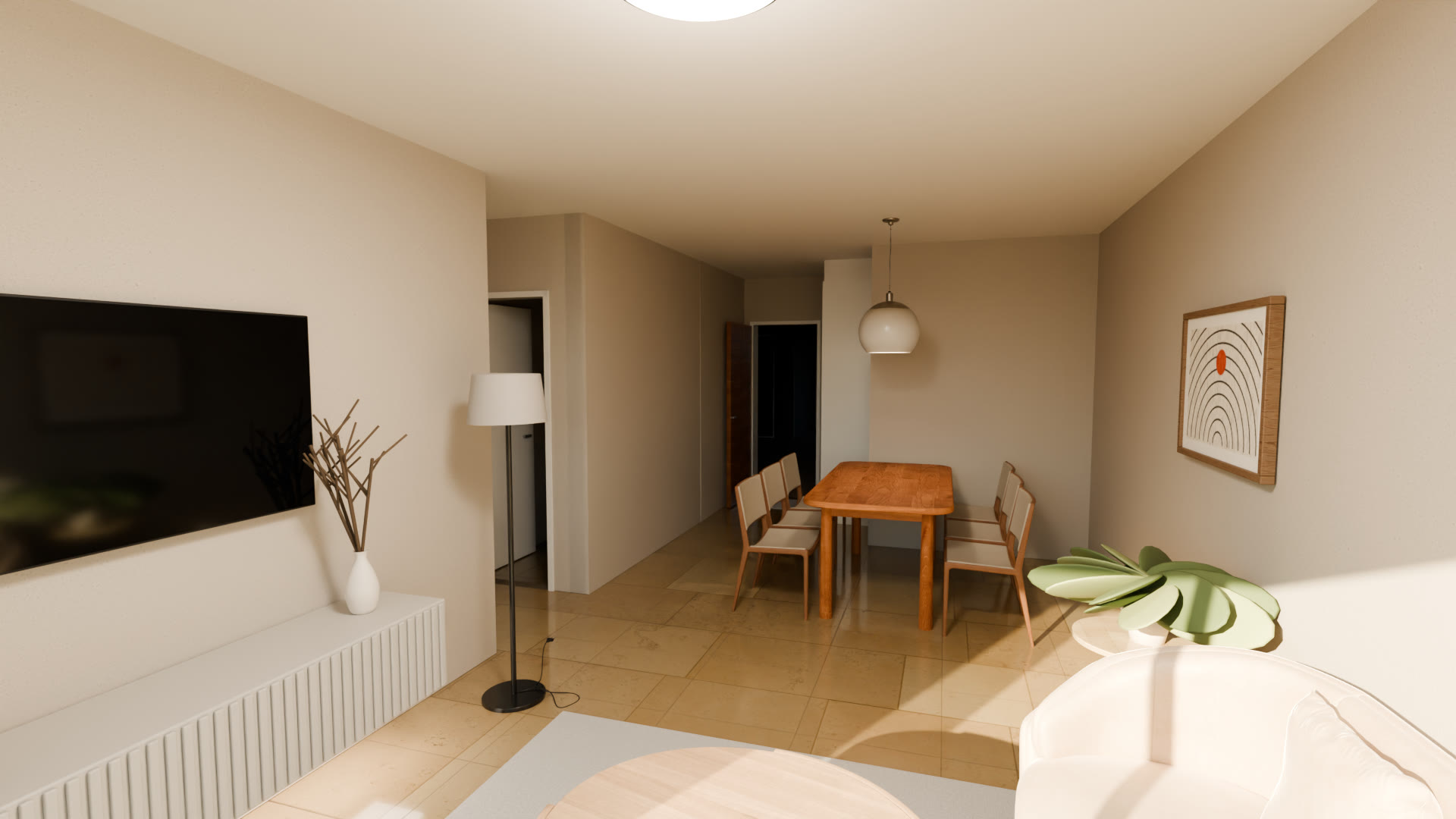
Sales & pre-construction
How to sell a house in a gated neighborhood before you build it
In short: A house in a gated neighborhood or country club estate sells before it's built when the buyer can walk through it finished, on its lot, with the yard, the porch and the real light. That way they buy the house, not just a lot and a floor plan.
A house in a gated neighborhood or country club estate sells before it's built when the buyer can walk through it finished, sitting on its lot, with the porch, the yard, the pool and the light at different times of day. Right now the lot is grass and a sign. If that and a floor plan are all the buyer sees, they're buying land and a promise. If they walk through the house, they're buying the house.
Who sells houses before building them?
There are a few different situations, with the same challenge:
- The builder who buys lots and builds spec homes. They pick the lot, design the house and offer it before or during construction.
- The developer selling house-and-lot packages. The buyer chooses a lot and one of the home models the neighborhood offers.
- The local brokerage that markets homes from small builders or investors inside the neighborhood.
- The architect who has a design for a lot and is looking for a buyer before breaking ground.
In every case, the buyer is making a big decision about something that doesn't exist. And in a gated neighborhood, they're also comparing it against finished homes they can tour that same afternoon.
Your competition is the finished house next door
That's what makes selling in these neighborhoods different. A buyer touring the area with an agent sees finished homes, with mature gardens, fully furnished. Next to them, the house you want to sell is an empty lot with a floor plan.
Even if your house has a better design, better orientation or a better price, it loses the visual comparison. The buyer can walk through the finished house, open the windows, step out onto the porch. Yours, they have to imagine.
Showing your house finished levels that comparison. The buyer can walk through it in the same detail as the house next door and decide on what they see.
What to show
In a house like this, buyers look at different things than in an apartment:
- The house sitting on its lot. With setbacks, the yard, the trees that stay, the neighbor behind. They should see how it occupies the land.
- The facade from the neighborhood street. It's what they'll see every time they pull up, and what the neighbors will see.
- The furnished interior. Living room, kitchen, bedrooms, with the project's finishes.
- How it connects to the outdoors. The covered porch, the pool, the grill, the big window onto the yard. Here, that's the product.
- The light at each time of day. Morning in the kitchen, afternoon on the porch, night with the house lit up from the garden.
The Americana 35.64 house demo, based on a Viviendas Roca model, shows this kind of experience: the paper floor plan lifts up and becomes the house, which you move through by scrolling, in morning, afternoon and evening light. It's an unofficial working demo. There's more on images for homes in these neighborhoods in renderings of a house in a gated neighborhood.
Orientation: the selling point nobody can see
In a gated neighborhood, lot orientation is one of the things experienced buyers argue about most: which way the yard faces, whether the porch gets afternoon sun, whether the pool ends up in shade. It's a strong selling point, but on a floor plan it's just an arrow with an N.
Showing the house in the real light of its orientation turns that arrow into something anyone understands: the porch in afternoon sun, the living room in morning light. If the lot is well oriented, it helps you hold the price. If it isn't, at least buyers know what they're getting and there are no surprises later.
For developers with several models
If the neighborhood sells house-and-lot packages with several models, the material has to help people choose. One walkthrough per model works for every lot where it can be built. Buyers pick a lot on the neighborhood map, see which models fit and walk through the one they like. It's the same logic covered in renderings for modular and prefab homes and 3D walkthroughs for gated developments and subdivisions.
Who actually makes the decision?
With a house like this, the decision is almost always a family one. The couple, the kids with opinions about their rooms, the grandparents helping with the money. Often the person who toured the neighborhood first isn't the one who makes the final call.
That's why a link that can be forwarded matters so much. The buyer sends the walkthrough to the family, each person opens it on their phone and goes through it at their own pace. The conversation moves from "I can't picture it" to "Can the pool be bigger?" More in how to sell pre-construction faster.
The buyer who lives far away
Many buyers in these neighborhoods are relocating from another city, or buying from abroad so they can move back. They can't tour the neighborhood every weekend. For them, seeing the finished house on their phone, and then walking through it with the agent on a video call, is what makes the purchase possible. See selling apartments over video call.
How we'd work together
I work remotely from Buenos Aires (UTC−3). You send me the house plans, the finishes, the lot plan with its orientation, and photos of the lot and its surroundings. You review and approve through a link, and you get the walkable house ready to send over WhatsApp or email, embed on your website and show in the neighborhood's sales office or your brokerage.
If you have a house to sell in a gated neighborhood, message me on WhatsApp at +54 9 11 6193-3176 or email facundocampo100@gmail.com. I answer in English and Spanish.
Frequently asked questions
Can the house be shown on the actual lot?
Yes. With the lot plan, its orientation and photos of the land, the house is shown with its real setbacks and surroundings. That way the buyer sees the light it will get and how it sits relative to the neighbors.
Does it help if the buyer wants to change the design?
It works as a starting point. The buyer walks through the house, sees what they like and what they'd change, and the conversation with the architect or builder gets specific. Major changes can be quoted separately if they need to be shown.
Is it worth it for a house already under construction?
Yes. While construction moves along, buyers see bare slabs and unfinished walls, which usually look smaller than the finished house. Showing it finished helps sell throughout construction, not just before it starts.