Sales & pre-construction
How a real estate agency wins new development listings
In short: A real estate agency wins the sales mandate for a new development when it shows the developer how it will sell the units, not just how many contacts it has. Walking into the pitch with a sales plan and a sample of the visual material it will use makes the difference.
A real estate agency wins the right to market a new development when it convinces the developer that it knows how to sell those units, not just that it has a big database. The agencies that get the mandate usually arrive at the pitch with a concrete sales plan and something to show: how the project will look to a buyer, on a phone, before a single wall goes up.
What does a developer look for when choosing an agency?
A developer handing over the sales of a project is trusting someone with the cash flow of the whole build. Pre-construction sales fund the work, so the question in their head is simple: who's going to move these units fastest, at the price I need?
From that question come the things they weigh:
- Track record with similar products. Selling resale apartments isn't the same as selling units that don't exist yet. They want to know you've explained a floor plan to a buyer before.
- A plan, not a promise. How you'll launch, which buyers you'll go after first, which channels you'll use and how you'll report back.
- How the project will be presented. Developers care about how their building looks in ads, listings and sales meetings, because it's also their brand.
- Coordination. Who handles inquiries, how availability stays up to date, how reservations are confirmed.
Most agencies answer the first point and stop there. The ones that stand out answer all four.
The pitch meeting: bring something to show
The usual pitch is a slide deck with the agency's logo, a few past sales and a commission. It works, but it looks like every other agency's pitch.
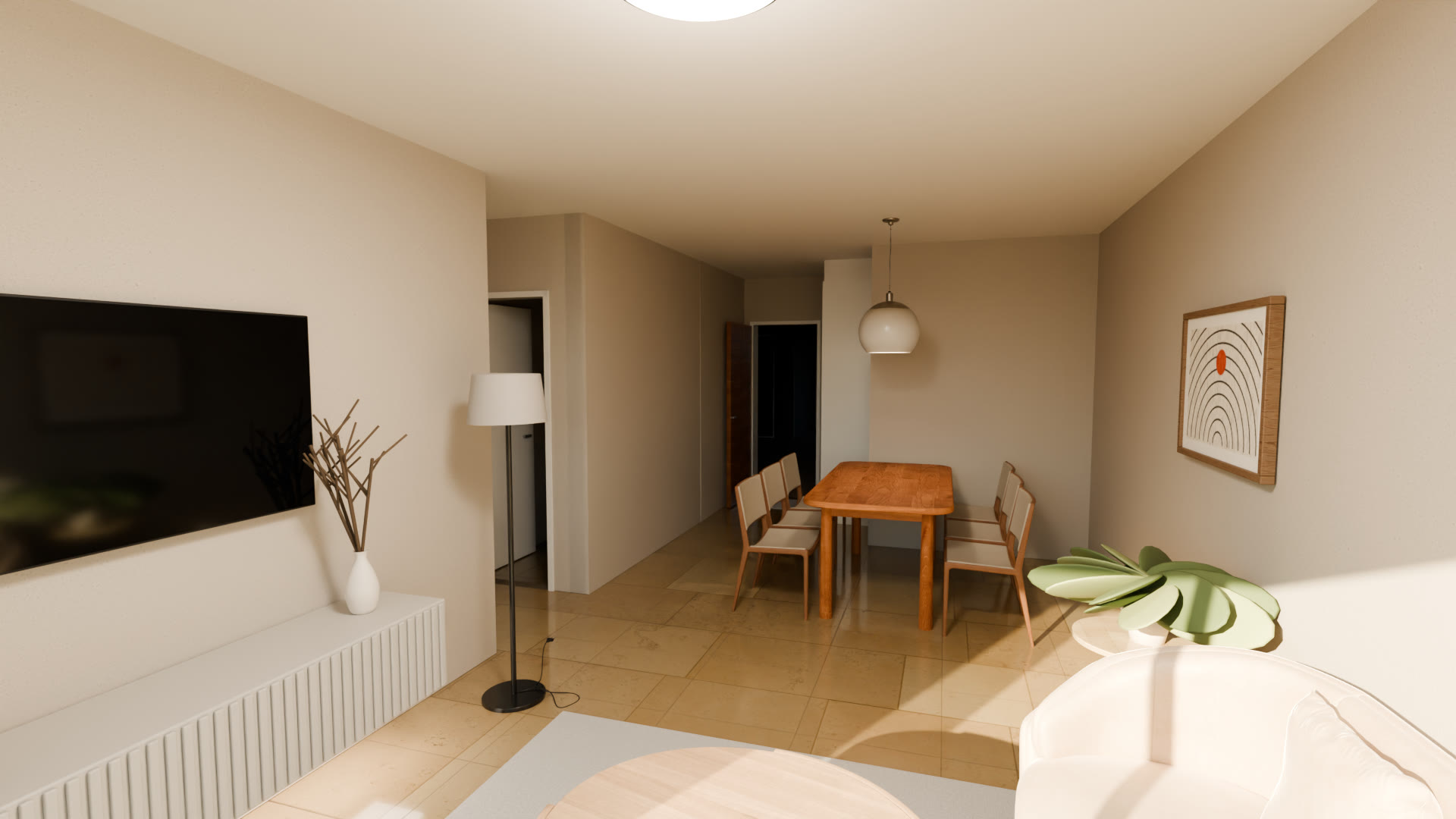
A stronger move is to show up with a sample of how you'll present the project. It doesn't have to be the final material. It can be a working demo of a walkthrough, like the Maconda XXIV building demo, an unofficial working demo based on a real project, where the developer can tap a floor, see the units and their availability, and walk through an apartment on their phone.
That changes the conversation. Instead of "we have a lot of buyers," you're saying "this is what your buyers will see when we send them the link." The developer can picture the sales process, and that's what they're really buying from you.
Who pays for the sales material?
There's no single rule. Some developers pay for the renderings and walkthroughs because they're part of the project's budget and they keep them. Some agencies invest in the material to win the mandate and use it as part of their offer. Sometimes the cost is split.
What matters is that it's clear from the start, in writing: who pays, who owns the files and what happens to the material if the agreement ends. That avoids friction later. If the developer already has a budget for marketing, ordering the material at the right moment helps both sides.
How to stand out from the other agencies in the area
When several agencies pitch the same developer, they usually say similar things: experience, reach, a good team. A few ways to make yours different:
- Talk about the buyer, not the agency. Who's going to buy this project? First-time buyers, investors who'll rent it out, families moving up? Show that you understand that buyer and what they need to see.
- Explain how you'll handle inquiries. A walkthrough sent by WhatsApp or email answers half of the buyer's questions before the call. That means fewer unproductive visits and better qualified leads.
- Show how you'll sell to people who aren't local. Investors in other cities or other countries can't drop by the sales office. A link they can open on their phone keeps them in the race.
- Propose an order for the sale. An interactive unit selector makes it easy to show what's available and to push specific units, like back-facing apartments or lower floors, without discounting.
What the agency gains from good visuals
The material doesn't only help win the mandate. Once the sale starts, it works for the agency every day:
- Sales agents explain the project faster and with fewer misunderstandings.
- Listings and social posts look better than those of nearby projects.
- The agency builds a portfolio of developments it has marketed, which helps win the next one.
A developer who sees that the agency took care of how their project was shown is likely to call that agency again.
What if the developer already has renderings?
Often they do: a facade image and a couple of interiors done for the permit or the first brochure. That's a good starting point, not a reason to stop.
The question is whether what exists answers what buyers ask. Can they see their specific unit? Its orientation? How it looks furnished? From which floor? If not, you can propose complementing the existing images with a walkthrough per unit type, which also works for every floor where that unit repeats. More on that in the walkthrough as a sales team tool.
Working with a remote provider
I work remotely from Buenos Aires, Argentina (UTC−3), with agencies and developers wherever they are. The agency or the developer sends plans and finish specs by email, we review progress over video call, and everything is delivered by link, ready to share or embed on a website.
If you're preparing a pitch for a development and want to bring something the developer can actually open on their phone, message me on WhatsApp at +54 9 11 6193-3176 or email facundocampo100@gmail.com. I answer in English and Spanish.
Frequently asked questions
Can an agency offer 3D walkthroughs without producing them?
Yes. The agency presents the walkthrough as part of its sales plan and works with a provider who produces it. For the developer, what matters is that the material exists and works on any phone.
What should I bring to a pitch for a new development?
A sales plan with the target buyer, channels and timeline, examples of similar projects you've sold, and a sample of how you'll present the project. A working demo carries more weight than a slide that describes it.
Does this work for housing developments, not just apartment buildings?
Yes. For houses, a walkthrough of each home model lets the buyer move through it on their phone, with morning, afternoon and night light. You can see it in the Americana 35.64 house demo, an unofficial demo based on a model by Viviendas Roca.
Does the material belong to the agency or the developer?
It depends on who pays for it and what you agree on. The best approach is to put it in writing before you start: who owns it, who can use it and what happens if the agreement ends.