Brand
How to build a developer's brand one project at a time
In short: A developer's brand isn't the logo: it's the impression buyers form from how each project is presented. Consistent, high-quality material that's easy to explore means the next project starts with the trust the last one earned.
A builder's or developer's brand is built with every project it launches, not with a logo or a slogan. Buyers form an idea of the company by looking at how it presents its projects. If the material is careful, consistent and easy to understand, they assume the construction will be too. That impression carries over from one project to the next.
What does "brand" mean for a developer?
For a company that sells apartments or houses, the brand is the answer to a question buyers ask themselves silently: "Can I trust these people with my savings?" Nobody answers it by reading the About page. They answer it by looking at:
- How past projects look, and how the current one looks.
- How clear the offer is: which unit, how big, which finishes.
- How they're treated when they inquire, and what they're sent.
- What people who already bought say about the company.
The first three depend directly on how each project is presented. That's why every launch is also an investment in the brand.
Perceived quality starts before construction
When the building is still a hole in the ground, the only thing a buyer can judge is the presentation. If the renders look fake, if the floor plan is a hard-to-read technical drawing, or if they have to ask for the same information three times, buyers project that onto the build: "If they did this like this, how will they build the building?"
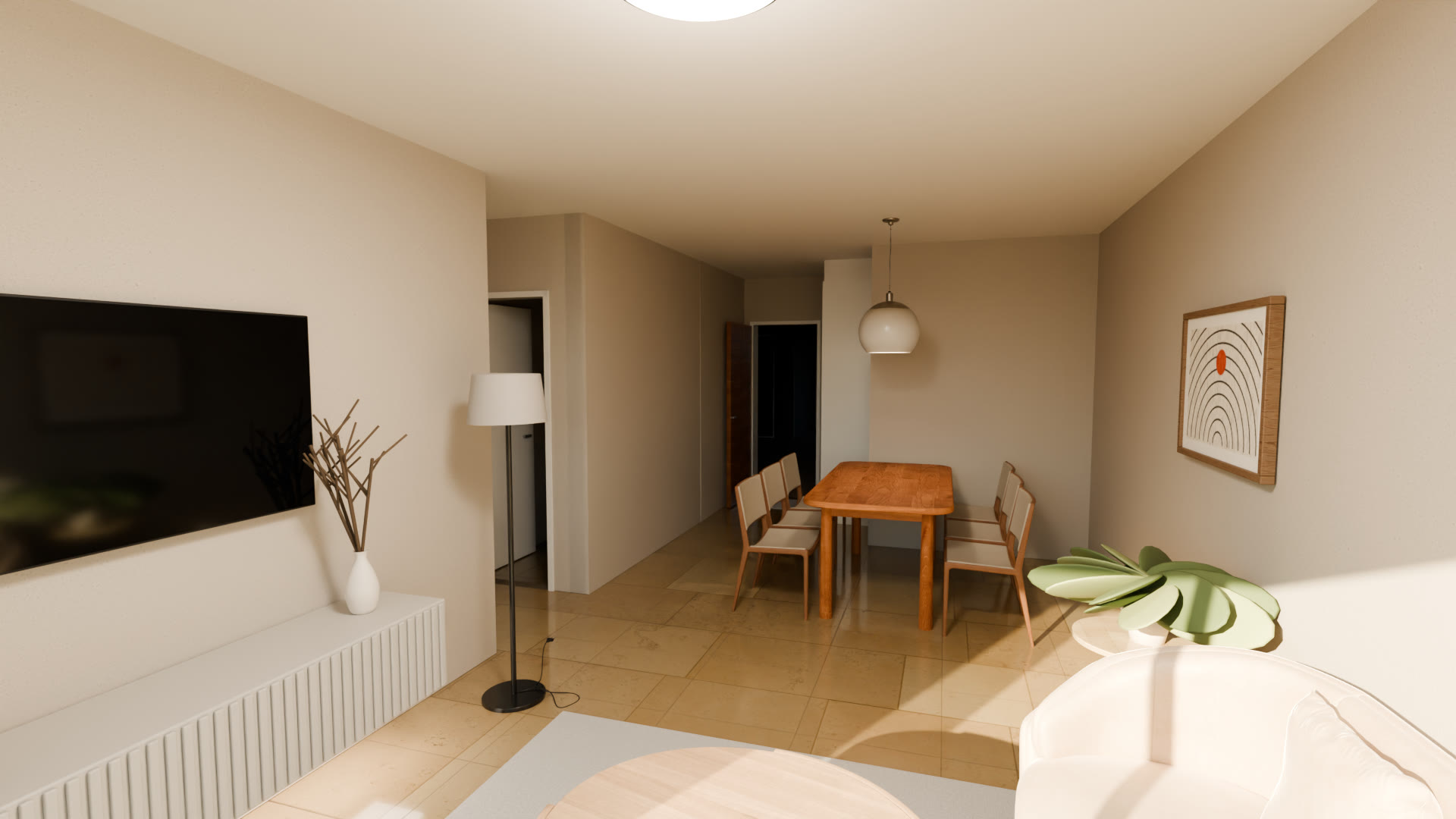
It works the other way too. Material that looks professional, where light, materials and surroundings look real, says the company takes care with details. It's an indirect signal but a strong one, especially for buyers who don't know the developer. In renderings for developers I explain how that material is used to sell before building.
Visual consistency across projects
A brand becomes recognizable when something repeats. If the first building was presented one way, the second another, and the third with phone photos from the site, buyers don't see a company. They see three unrelated projects.
What's worth keeping from one project to the next:
- The same image quality, so every project from the company looks equally cared for.
- The same presentation standard: the building on its real block, units furnished with the project's finishes, clear floor plans.
- The same digital experience: if one project was presented with a 3D walkthrough that opens on a phone, so is the next. Buyers who've seen it before recognize it.
- The same tone in communication: how units are described, which details are always given, how inquiries are answered.
Over time, that consistency means a listing from your company gets recognized on a listing site before anyone reads the name. To think about how each project stands out within that line, see how to make a project stand out.
Trust from pre-construction buyers
Buying pre-construction, or off the plan, means buying a promise. The buyer puts money down today for something they'll receive in two or three years, and their main fear isn't the price. It's that what they get won't look like what they were shown.
Presentation can work for or against that fear:
- For it, when it shows the project as it will be: the real finishes, the real orientation, the real balcony view, the building on its block with the neighbors it actually has.
- Against it, when it over-embellishes: windows that don't exist, a park where there's a blank wall, materials pricier than the ones in the spec sheet.
An image that exaggerates might bring in one more inquiry, but it costs you at delivery, when the buyer compares. And that's the buyer who talks about your company afterward. An honest, accurate presentation is the best advertising for your next project. I go into the specific case in pre-construction building sales.
The digital experience is part of the product
Today, the first contact with a project is almost never the sales office. It's a link someone opens on a phone. That first experience is already part of the product, just like the lobby of the finished building.
Picture it from the buyer's side. They get a link over WhatsApp, open it and see the building on its block. They tap a floor, see which units are available, pick one and swipe through it, with furnished rooms and light at different times of day. They didn't have to install anything or wait for a sales call. That experience says a lot about the company: that it's organized, has nothing to hide and respects their time.
You can try it in the Maconda XXIV building demo, an unofficial working demo based on that 12-story building in Quilmes, near Buenos Aires, marketed by Otamendi Propiedades. For a house, the Americana 35.64 house demo is based on a Viviendas Roca model.
Every project leaves something for the next
The upside of building the brand project by project is that the effort adds up:
- Material from the last project keeps working as a portfolio: on the company website, in the investor deck, and in presentations to banks or partners.
- Buyers who had a good experience come back or refer others, and arrive already knowing how the company works.
- The sales team doesn't start from zero: it knows which questions the material answers and which it doesn't. In the 3D walkthrough as a sales team tool I explain how it's used in meetings.
- Investors who bought in one project look at the next one more favorably. See selling to out-of-town investors.
A small builder can't outspend a big one on advertising, but it can compete on how it presents each project. That's a difference buyers actually notice.
Where to start?
If you're about to launch a project, the best time to set your presentation standard is now, before the first images go out. Decide which pieces it'll have, which style you'll keep, and how it'll be shared with prospects. I lay that out in what to have ready for a project launch.
If you want to see your next project presented this way, send me a message on WhatsApp at +54 9 11 6193-3176 or email facundocampo100@gmail.com. I work remotely from Buenos Aires, answer in English or Spanish, and we can talk it through with the plans in hand.
Frequently asked questions
Does a small builder need to work on its brand?
Yes, and it pays off more than for a big one. A small company doesn't have years of advertising behind it, so buyers judge it almost entirely by how it presents the project on sale. Careful material makes up for a track record people can't see.
What does a rendering have to do with the company's brand?
The rendering is the first thing a buyer sees of a pre-construction project, and they use it to infer how the company works. If it looks professional and true to the project, it builds trust. If it looks fake or exaggerated, it erodes it.
Should every project use the same presentation style?
Keep the same quality level and the same standard: the building in its real surroundings, furnished units, clear floor plans and the same way of sharing it. Each project can have its own identity, but buyers should recognize it's from the same company.
Is a project's 3D walkthrough still useful once everything is sold?
Yes. It stays in the company's portfolio, on its website and in presentations to investors or partners, showing how it presents its projects. It's concrete proof of seriousness for the next launch.